Key Takeaways
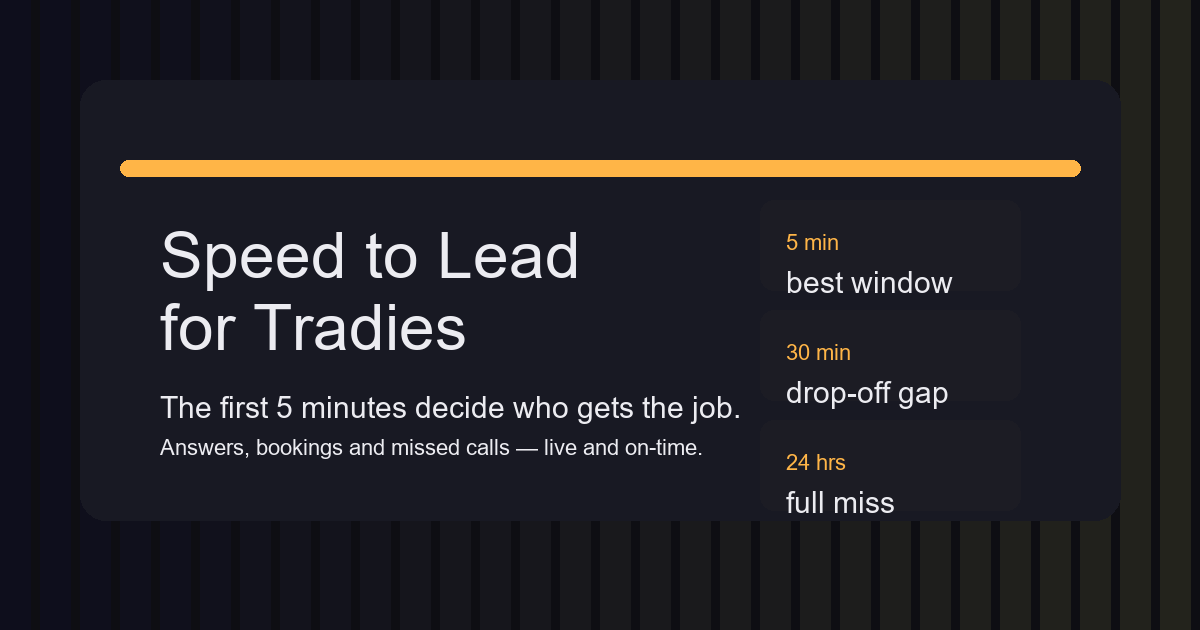
Missed calls can become expensive quickly when HVAC teams are busiest and customers need a fast answer.
Air conditioning and HVAC businesses get hit hardest in exactly the weeks they are busiest — heatwave season, when every missed call is a customer with no cool air calling the next number on the list.
Use your own average job value and missed-call volume to estimate the revenue at risk.
An AI receptionist that understands aircon terminology, triages genuine emergencies, and books directly into your calendar closes that gap without adding a wage.
Why air con and HVAC calls are different
Every trade loses money to missed calls. But air conditioning and HVAC businesses have a problem most trades do not: demand does not spread evenly across the year — it spikes hard, for a few weeks at a time, exactly when your team is already flat out.
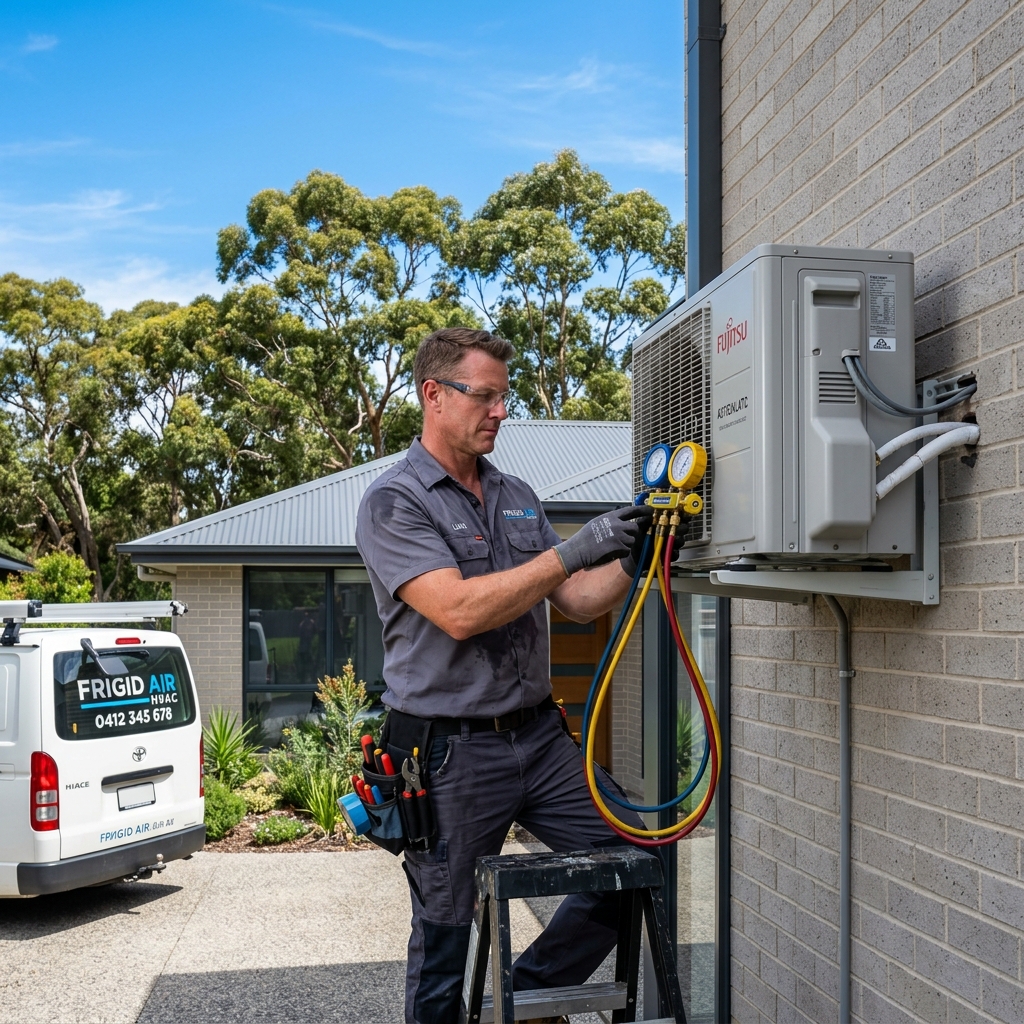
A Melbourne heatwave hits, and every ducted system that has been quietly struggling for two years picks that week to fail. Your phone does not ring a bit more — it rings constantly, on top of the jobs you already had booked. You are on a roof, mid-install, with three missed calls by lunchtime and no way to get to any of them until knock-off. Every one of those calls is a household with no cool air in 40-degree heat, and they are not going to wait for a callback. They are already dialling the next name on Google.
That is the core problem: your slowest response times land on your busiest, highest-value days.
What missed calls are actually costing you
The real cost depends on your call volume, close rate, and average job value. Solo operators are especially exposed because there is often one person and one phone, so peak-season calls can be missed while the technician is already on site.
Run the numbers on your own business and it gets concrete fast. A standard air conditioning call-out in Australia may include a call-out fee, diagnostic time, parts, and repair work, so the value of each enquiry varies widely. Use your own blended average job value rather than relying on a generic industry number.
If you miss five calls a week and use $350 as an illustrative average job value, the revenue at risk is $1,750 before applying your realistic close rate. Over a full year, that scenario can become material, which is why your own numbers matter more than a generic industry average.
After-hours calls can be especially valuable when they involve urgent repairs. The calls you are most likely to miss — evenings, weekends, and the middle of a heatwave — are often the same calls where customers need a fast answer.
Why the usual fixes don't hold up
Voicemail does not work for this. A customer with no aircon in 40-degree heat is not going to leave a message and wait. They are calling the next business immediately.
Hiring a receptionist is expensive for a problem that is seasonal. A full-time receptionist is a genuine cost every week of the year, even in the quiet months, to solve a problem that is concentrated into a handful of heatwave weeks and after-hours gaps.
A traditional answering service helps, but it is generic. Most are not briefed on the difference between my aircon is making a rattling noise and my 80-year-old mother has no cooling and it is 42 degrees today — and in this trade, that distinction is the whole job.
How an AI receptionist actually fixes this
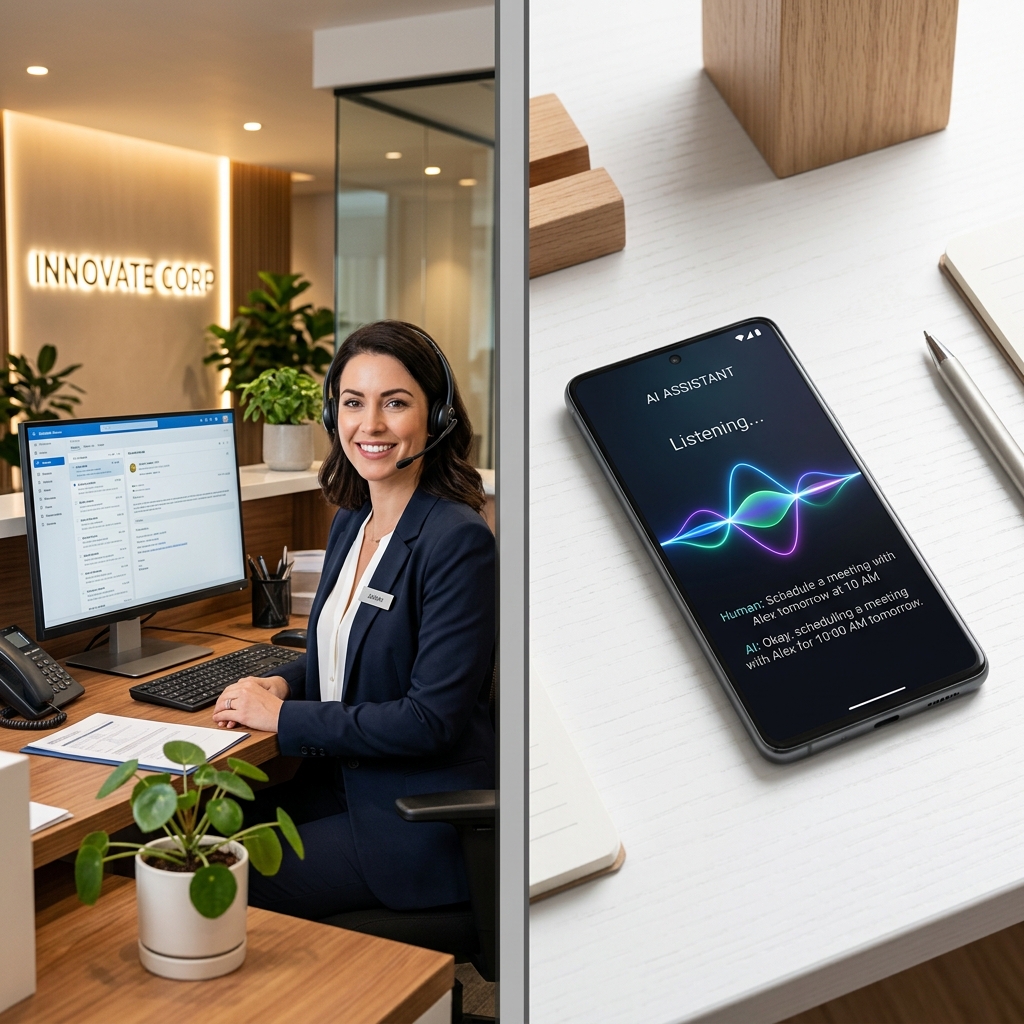
This is where an AI receptionist earns its keep for air con and HVAC specifically, not as a generic phone-answering gimmick:
It never gets busier when you get busier. Heatwave week, ten calls in an hour, does not matter — every call gets answered on the first ring, at 2am or 2pm.
It can triage by urgency. A no-cooling call for a vulnerable person during extreme heat gets flagged and routed differently to a routine service booking or a maintenance enquiry — the same judgment a good human receptionist would make, without needing one on staff.
It speaks the trade. It can ask the right diagnostic questions — system type, whether it is a split or ducted unit, error codes on the display — the same details a technician would want before rolling a truck, so you arrive prepared instead of guessing.
It books straight into the tools you already use. Vectolift connects directly to Cal.com and Google Calendar, so a booked call becomes a job on your schedule without anyone re-entering it by hand.
What this looks like day to day
A call comes in at 7pm on a 41-degree evening. Vectolift AI receptionist answers on the first ring, confirms it is a full system failure rather than routine maintenance, checks urgency, and books it straight into your schedule for first thing the next morning — or flags it for an immediate callback if it sounds genuinely urgent. You get a summary the moment you are free, not a voicemail you find at 9pm after the customer has already called someone else.
FAQ
How much do missed calls actually cost an air conditioning business in Australia? The real number depends on your average job value, close rate, and how many calls you are missing during peak season. Run your own figures through the Vectolift calculator to see where you stand.
Why do air conditioning businesses miss so many calls in summer specifically? Demand spikes sharply during heatwaves, right when technicians are already on jobs back-to-back. The result is a short, brutal window where call volume is highest and availability to answer is lowest — exactly the opposite of what a business wants.
Can an AI receptionist actually understand HVAC and air conditioning terminology? Yes — it can be briefed on your specific terminology, common fault types, and the difference between a routine job and a genuine emergency, so it asks useful diagnostic questions rather than generic ones.
Does Vectolift integrate with the software I already use? Yes. Vectolift connects with Cal.com and Google Calendar, so bookings land directly on your schedule.
What happens with a genuine emergency, like an elderly customer with no cooling during a heatwave? These calls get flagged for urgency and can trigger an immediate notification to you, rather than being treated the same as a routine booking enquiry.