The Unique Phone Answering Challenge for Electricians
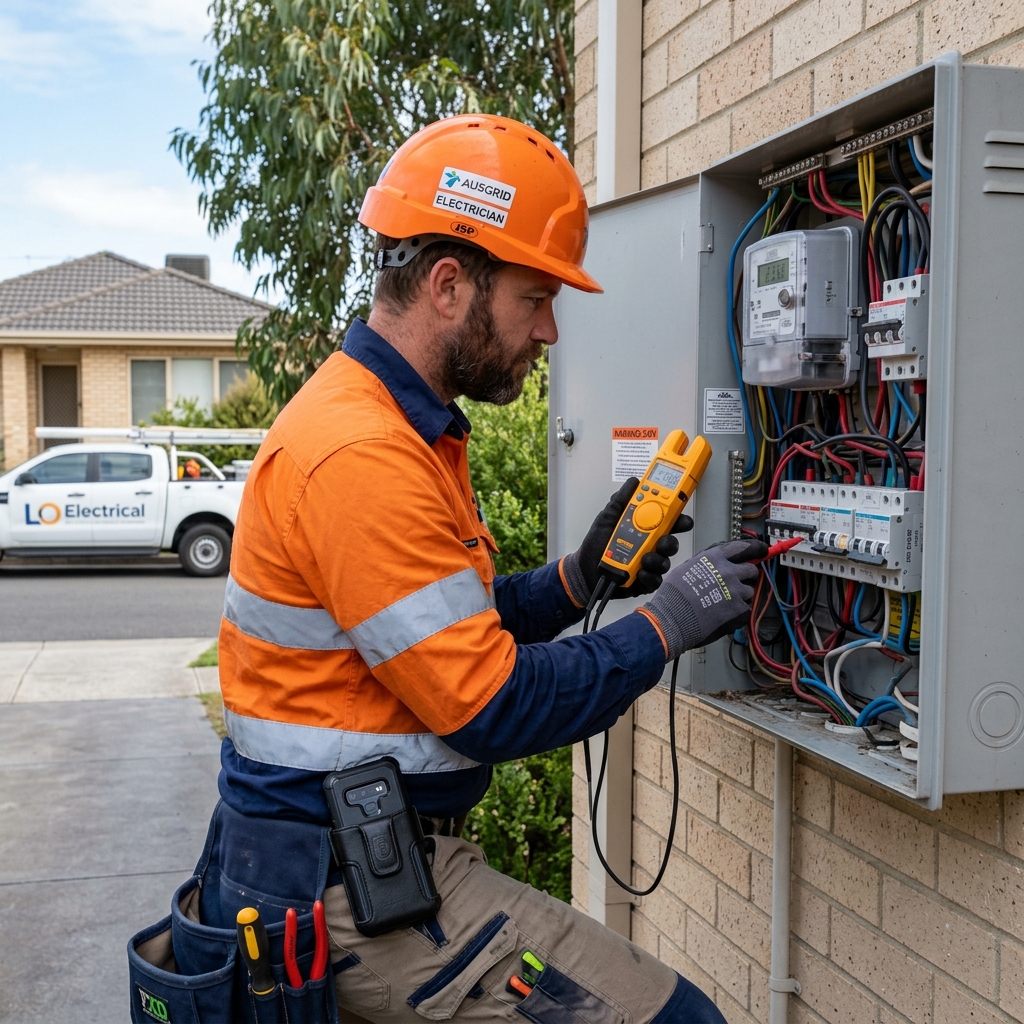
Working as an electrician comes with a unique set of occupational hazards that make answering a phone not just inconvenient, but genuinely dangerous. When you are balancing at the top of a ladder, navigating the cramped, dusty confines of a ceiling cavity, or working near a live switchboard, your focus must be absolute. Reaching for a vibrating phone in your pocket breaks that concentration and introduces unnecessary risk.
This creates a structural problem for electrical businesses. You literally cannot provide safe, high-quality work while simultaneously acting as a full-time customer service representative. However, the modern consumer expects immediate responses. If you let the phone ring out while you safely finish terminating a wire, you are almost certainly losing that customer to the next business on their Google search list.
Emergencies That Demand Immediate Response
Unlike some trades where issues can wait a few days, electrical faults often present immediate danger or severe disruption. A complete loss of power, the smell of burning plastic coming from a switchboard, a sparking outlet, or an RCD that trips every time it's reset are not issues a homeowner wants to leave on a voicemail. They require urgent professional intervention.
Storm damage adds another layer of urgency. Following severe weather, overhead wiring damage or flooded switchboards create life-threatening hazards. During these peaks, call volumes surge. If you rely on voicemail during these critical periods, you are missing out on the most urgent—and often most profitable—work available to your business.
The Liability and Safety Dimension
There is a distinct liability and safety difference between missing a call for a leaky tap and missing a call for an electrical fault. An electrician who misses a call from a customer saying 'I can smell burning from my switchboard' faces a fundamentally different risk profile. If that call goes to voicemail and is ignored for several hours, the situation could escalate to a house fire.
Having a 24/7 system that immediately answers and triages these calls provides a critical layer of safety. An AI receptionist can instantly advise a customer to evacuate or call emergency services if they describe a dangerous scenario, ensuring that even when you are unavailable, the caller receives vital safety instructions rather than a generic beep.
How AI Handles Electrical Triage
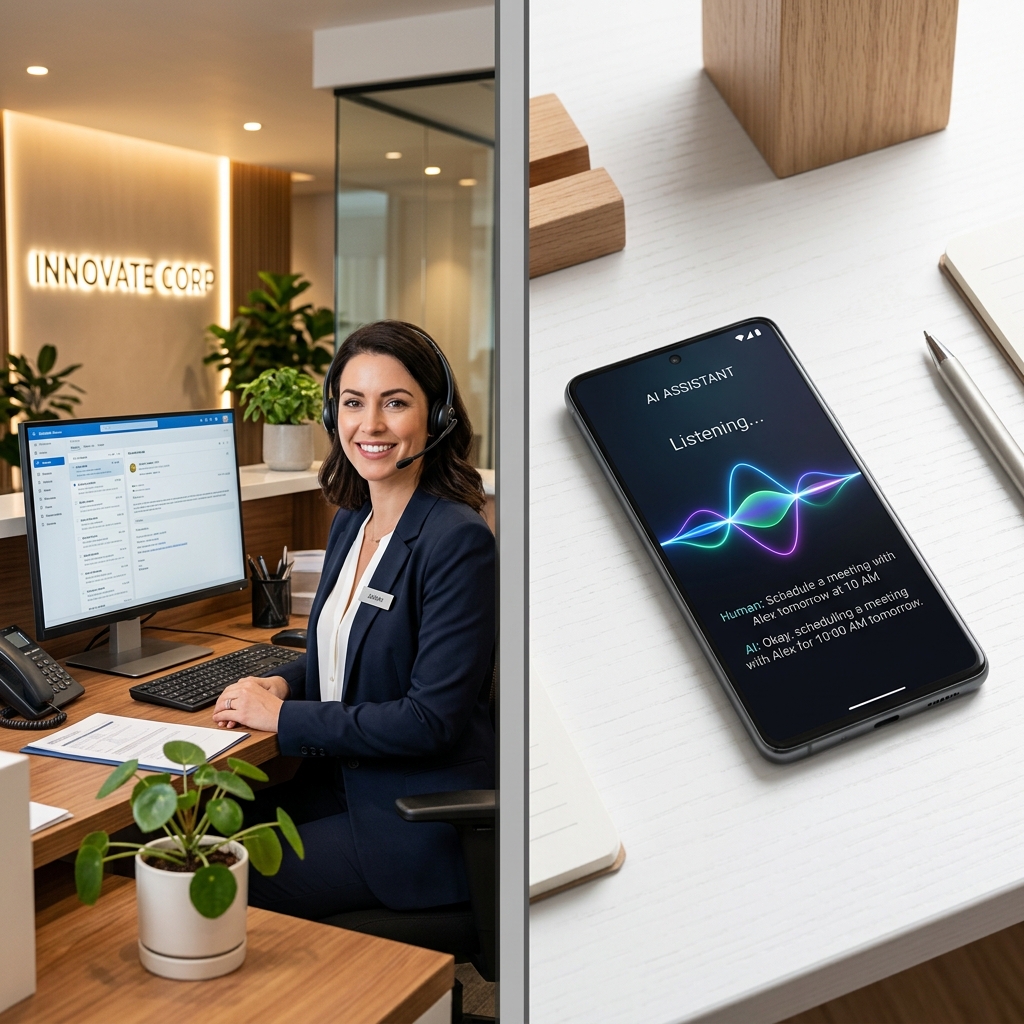
A modern AI receptionist doesn't just take messages; it actively triages incoming calls based on predefined rules. By listening to the customer's description, the AI can rapidly determine the severity of the issue and respond accordingly.
For example, if a customer reports a burning smell, the AI can advise them to evacuate and call 000, while immediately alerting you via SMS. If a caller reports a total power loss, the AI might suggest checking the main switch or inquiring with neighbors before escalating the call to you. Conversely, if a customer calls about flickering lights or wants a quote for downlight installation, the AI recognizes this as a non-urgent request and simply books an appropriate time slot in your business hours calendar.
After-Hours Electrical Work: The Premium Opportunity
Electrical emergencies don't stick to a Monday-to-Friday schedule. Weekend and evening faults are common, and because many electricians turn their phones off after hours, the supply of available tradespeople drops dramatically. This creates a highly lucrative environment for businesses willing to answer the call.
Customers facing a power outage on a Saturday night are highly motivated and expect to pay premium after-hours callout fees. An AI receptionist allows your business to remain open for these high-value opportunities 24/7. It can capture the lead, communicate your after-hours rates upfront to ensure the customer is willing to pay, and then wake you up only for confirmed, profitable emergency dispatch.
The Commercial Client Opportunity
While residential work is valuable, commercial clients represent a massive opportunity for electrical businesses. Small businesses, restaurants, and retail shops literally cannot operate without power. Every hour a restaurant's fridges are off, or a shop's point-of-sale system is down, they are losing significant revenue.
These commercial clients have extremely high urgency and a high willingness to pay for rapid resolution. They will not leave a voicemail; they will dial every number they can find until someone answers. An AI receptionist ensures that your business is always the one that answers immediately, helping you secure lucrative commercial contracts and emergency repair jobs that can lead to long-term maintenance relationships.
A Day With vs Without an AI Receptionist
Consider a typical day without assistance: You are up a ladder installing a ceiling fan. Your phone rings. You ignore it to work safely. Ten minutes later, you check your phone—no voicemail. You call back, but the customer has already booked another electrician to fix their faulty oven circuit. You've lost a $300 job.
Now consider the same day with an AI receptionist: You are on the ladder. The phone rings, and automatically forwards to the AI. The AI greets the customer, understands they need an oven circuit repaired, and books them into an available slot in your calendar for the following afternoon. When you climb down from the ladder, you check your phone to see a confirmed job with all customer details securely logged. The stress is gone, and the revenue is secured.
The Real Cost of Missing Electrical Calls
The financial impact of missed calls in the electrical trade is particularly severe because the average job value is often higher than in other trades. While a simple repair might be a few hundred dollars, missed calls can easily represent lost opportunities for major work. A switchboard upgrade typically ranges from $2,000 to $5,000, while a full house rewire can command anywhere from $8,000 to over $20,000.
Missing just one of these major jobs a month because you were busy on the tools easily dwarfs the cost of any answering service. When you factor in the lifetime value of a commercial client who might need regular testing and tagging, the opportunity cost of an unanswered phone becomes staggering.
Integration With Your Workflow
The true power of a modern AI solution is that it doesn't just act as a barrier between you and the customer; it actively integrates with your existing business workflow. Systems like Vectolift are designed to connect seamlessly with modern scheduling tools such as Cal.com and Google Calendar.
This means the workflow progresses automatically: the AI answers the call, triages the request, accesses your real-time availability, and slots the booking directly into your diary. You don't have to manually transcribe notes from an email or a text message into your scheduling software. The job simply appears in your calendar, complete with the customer's name, address, and fault description, ready for you to attend.